Uzbekistan’s central bank opens investment in the US, but without access to Apple and Tesla shares
Kursiv Uzbekistan gathered expert opinions
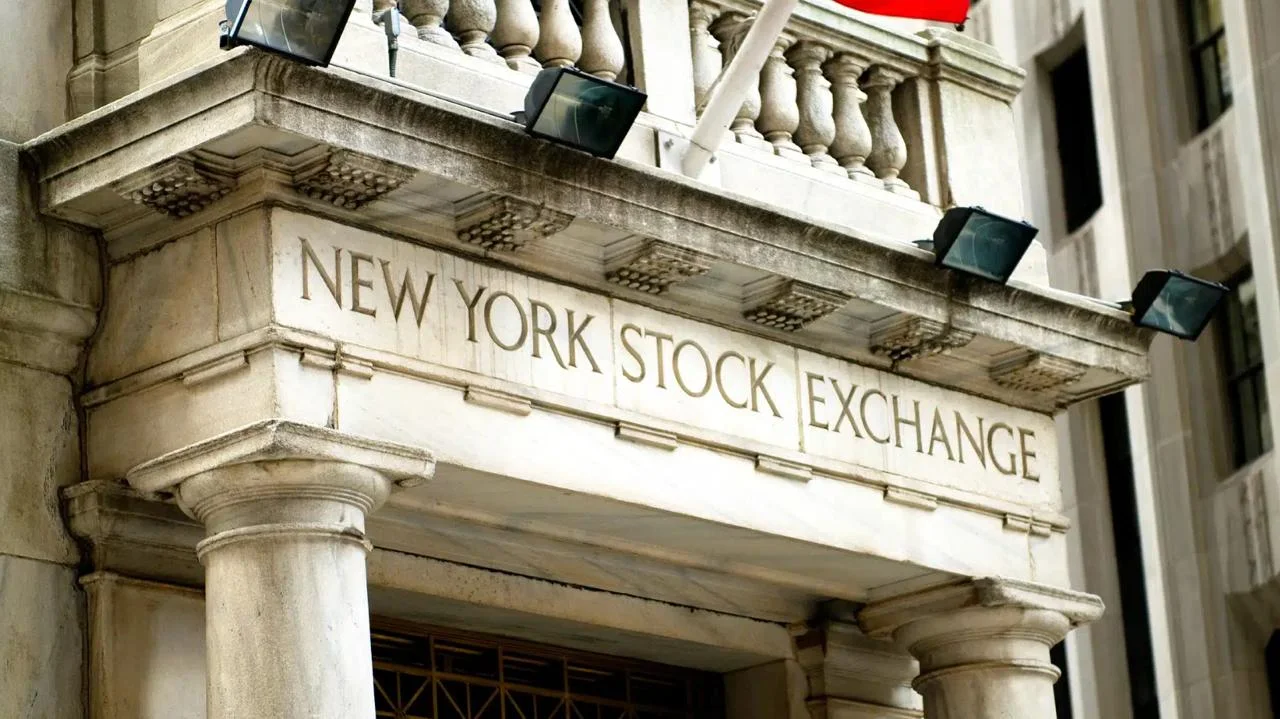
What US investments Uzbekistan’s central bank has allowed / Photo: depositphotos.com
The Central Bank of Uzbekistan has eased currency regulation for capital account transactions, effectively allowing residents to invest in the United States. The changes are set out in a central bank decision and take effect on 1 January 2026. However, this is not about freely buying shares of the largest US corporations, but a narrower form of investment.
What exactly the regulator has allowed
According to the resolution, the Central Bank has amended the procedure for certain currency transactions related to capital flows. The document explicitly states that residents are allowed to carry out investment transactions to form the charter capital of foreign companies in the US, as well as to finance the activities of their branches and subsidiaries.
In other words, the regulator has officially allowed transfers of funds from Uzbekistan to take equity stakes in US companies and support their operations. These transactions can be carried out through residents’ accounts at Uzbek banks.
Direct investment — yes; listed shares — not yet
According to Farrukh Khodjaev, director of the investment company Kapital Depozit, the changes are indeed liberal, but they should not be interpreted as complete freedom to invest.
He notes that the Central Bank has removed key restrictions for residents investing in the US, both in the equity of foreign companies and in financing their branches. However, this does not mean retail investors automatically gain access to the US stock market.
The expert points out that the current regulation refers specifically to direct investment — the kind usually made through legal entities, special purpose vehicles, holding companies or subsidiaries. According to him, the regulator’s position here is clearly and legally precisely worded.
At the same time, the purchase of shares in listed US companies such as Apple or Tesla by individuals through foreign brokers still remains outside the scope of explicit permission.
“Although shares are legally a form of equity participation, currency regulation traditionally distinguishes between direct and portfolio investment. As currently worded, the Central Bank resolution clearly concerns direct investment, not portfolio investment,” the expert noted.
According to Khodjaev, in this sense the regulator has chosen a cautious but logical approach: business and structured investment first, and only then possible liberalisation of retail investing.
As a result, entrepreneurs and investors operating through corporate structures get a considerably freer regime. But for private investors hoping to buy shares of US companies directly, the question remains open and will depend on the regulator’s next steps and banking compliance practice.
Context: the capital market and the regulatory sandbox
It should be noted that the changes in currency regulation come amid discussions about the future of Uzbekistan’s capital market. On 15 December, President Shavkat Mirziyoyev held a meeting on its development.
According to the President’s press service, he was presented with a plan to expand the regulatory sandbox regime. It was proposed to extend the regime not only to non-residents but also to residents, set an unlimited participation period for foreign investors, and allow trading in shares, bonds and other securities of foreign companies.
It was noted that such measures could help reduce informal trading in foreign securities and bring such transactions into a transparent legal framework.
In addition, local companies and banks will be allowed to issue foreign-currency bonds on Uzbekistan’s stock exchange. This will allow them to raise foreign currency without going to external markets. Dual listing — placing securities simultaneously on local and foreign venues — is also planned to be allowed.
Foreign-currency bonds and foreign securities
Arnold Vdovkin, a specialist at Avesta Investment Group’s brokerage department, told Kursiv Uzbekistan that the announced measures and plans to develop the capital market generally meet the interests of various groups of investors and issuers.
According to him, allowing dual listings for domestic companies, introducing foreign-currency bonds and admitting foreign securities could create a full-fledged alternative to loan and deposit products. The expert predicts that implementing these initiatives will give a powerful boost to activity on the domestic stock market.
He particularly highlights the plans to allow local companies and banks to issue foreign-currency bonds on the Tashkent Stock Exchange.
“I believe there should be requirements for issuers’ financial condition to prevent unstable companies from issuing bonds, as it is important to offer a reliable product to both local and foreign investors. Issuers will most likely be exporters, retail companies and banks. For companies, borrowing in foreign currency will be more attractive than in sums because of the difference in interest rates,” the expert stressed.
Who will buy and why the market needs it
The expert expects buyers of foreign-currency bonds to be both local citizens keeping savings in foreign currency or on foreign-currency deposits, and foreign investors wary of sum risk. According to him, this will help bring cash savings into official circulation, attract direct investment and lower funding costs for companies.
In addition, such an instrument could become an alternative to Eurobonds. While classic Eurobonds require a minimum placement of $200–300 million, local foreign-currency bonds can be issued in amounts of $5–50 million, targeting a different group of investors and supporting the development of the domestic capital market.
Foreign shares — through regulated infrastructure
Vdovkin names another important area: plans to admit foreign financial instruments, including shares in foreign stock indices, to trading on Uzbekistan’s stock market.
In his view, this will open access to global assets, primarily for individuals, and significantly expand opportunities to diversify investment portfolios. At the same time, the whole chain — from determining the list of securities to their circulation — must be within a transparent legal framework and under the regulator’s supervision.
He stresses that the National Agency for Prospective Projects will play a key role in this process, which will minimise the risk of fraud and protect investors from investing in unreliable structures. At the same time, such instruments will create new opportunities for local investment intermediaries.
“We assume that introducing this financial instrument will not lead to currency outflows but, on the contrary, will increase residents’ assets abroad, which will have a positive effect on Uzbekistan’s international investment position,” the expert believes.
Infrastructure as the key challenge
At the same time, the Avesta Investment Group representative draws attention to infrastructure problems.
“We currently receive frequent requests from foreign investors — both individuals and legal entities — related to obtaining a PINFL and TIN, delays in dividend payments on the shares of certain domestic joint-stock companies, and the inability to use the E-voting remote voting platform at shareholder meetings from abroad,” summed up Arnold Vdovkin.
Source: Kursiv Uzbekistan